Institutional Investors Are Selling More Homes. Here's What That Could Mean for Buyers and Sellers


For years, one of the biggest complaints I heard from homebuyers was this:
"How can we compete with an investor paying cash?"
It was a fair question.
Large institutional investors—companies that own hundreds or even thousands of rental homes—became a major force after the 2008 housing crash. They bought homes in markets like Las Vegas, Phoenix, and Atlanta by the thousands, often outbidding everyday buyers with all-cash offers.
Now, the landscape is starting to change.
New Legislation Is Changing the Rules
A newly passed federal housing law prevents institutional investors that own 350 or more single-family homes from buying additional existing single-family homes, with a few exceptions like build-to-rent communities and certain renovation programs.
Notice that number—350 homes. Most people in the industry expected the threshold to be much higher, so this caught many investors by surprise.
The law doesn't require these companies to sell what they already own. But it does limit how they can continue growing their portfolios.
And they're responding.
More Investor-Owned Homes Are Hitting the Market
According to data from Parcl Labs, the number of homes listed for sale by institutional investors has more than doubled in just a few months—from about 4,100 homes to nearly 9,500 homes with over $3 billion in asking prices.
That's not a fire sale.
These companies still own hundreds of thousands of homes nationwide. But it does show they're adjusting their strategy.
Several of the country's largest landlords—including Invitation Homes, AMH, Progress Residential, Tricon, FirstKey, Amherst, and VineBrook—have all been net sellers this year.
Buyers May Finally See More Opportunities
Here's the part that could matter most if you're thinking about buying.
Many of these investor-owned homes are also seeing price reductions.
Nationally, about 39% of all homes for sale have had price cuts.
Among institutional investor listings?
That number jumps to roughly 54%.
That tells me these companies are more interested in moving inventory than waiting for the perfect offer.
For buyers, that can create opportunities that simply weren't there a few years ago.
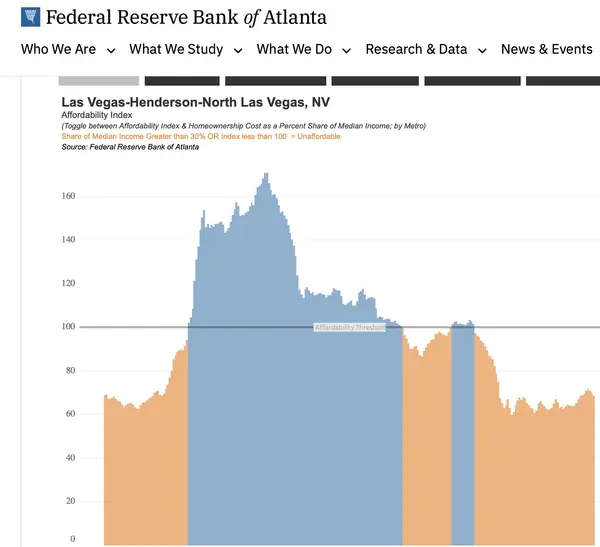
What About Las Vegas?
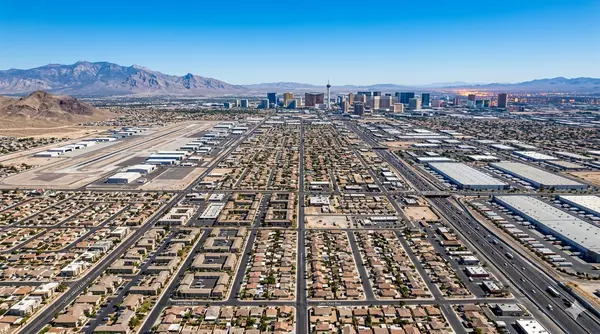
Las Vegas was one of the markets where institutional investors bought heavily after the housing crash.
While this is national data, we'll likely continue seeing some of these larger companies trim portions of their local portfolios as well.
That doesn't mean the market is crashing.
It means investment strategies are changing.
Many of these companies are shifting their focus toward build-to-rent communities, where they develop entire neighborhoods specifically designed as rentals instead of purchasing existing homes one at a time.
What Sellers Should Know
If you're planning to sell your home, this doesn't automatically mean more competition.
Inventory, pricing, condition, and location still matter far more than who owns the home down the street.
The key is pricing your home correctly from the beginning and understanding what's happening in your local market—not just reading national headlines.
My Take
After more than 30 years in Las Vegas real estate, I've learned that every market shift creates opportunity for someone.
Today's buyers may find less competition from large investors.
Today's sellers simply need a smart pricing strategy and experienced guidance.
The headlines can sound dramatic, but the real story is that the market continues to evolve—as it always does.
If you're wondering how these changes might affect your home's value or your plans to buy, let's have a conversation. I'll give you the facts and help you make the best decision for your situation.
Categories
Recent Posts